Avenue de Champagne Map: Épernay's Champagne Houses
An interactive map of the Avenue de Champagne in Épernay — the five grandes Maisons (Moët, Perrier-Jouët, Pol Roger, de Castellane, Mercier) and the cellar tours that visit them, plus Reims.
Épernay’s Avenue de Champagne is a single, unassuming kilometre of road — and one of the most valuable streets on earth. Beneath it run roughly 110 km of chalk cellars holding millions of ageing bottles, which is why the avenue forms part of the UNESCO World Heritage listing Champagne Hillsides, Houses and Cellars (inscribed 2015). This interactive map plots the five grandes Maisons along it — and the bookable cellar tours and tastings that take you underground. Tap a gold diamond for a maison’s story, tap an area to light up its tours, or hit ◉ Locate on any tour card to fly the map to its meeting point.
Walk the avenue west to east and you pass the giants in order. Moët & Chandon (founded 1743) anchors it, the largest house of all, with about 28 km of its own cellars and the birthplace of Dom Pérignon. A few doors along, Perrier-Jouët (1811) shipped one of the first recorded brut Champagnes in 1846 and gave the world the Art Nouveau Belle Époque bottle. Just off the avenue sits Pol Roger (1849), forever tied to Sir Winston Churchill, who drank it daily and lent his name to its prestige cuvée.
Further east the street turns theatrical. de Castellane (1895) is crowned by a 66-metre tower — a listed monument you can climb for a view over the rooftops and the Côte des Blancs slopes beyond. And Mercier (1858) is the showman of the avenue: home to Le Grand Foudre, the colossal cask built for the 1889 Paris World’s Fair, with cellars toured aboard a little underground train — the most family-friendly visit on the street.
Most of these houses run guided visits by reservation only, and slots fill one to two weeks ahead from spring through autumn. Use the map to see which tours leave from Épernay (right on the avenue) and which start in Reims, half an hour north, where Veuve Clicquot, Mumm and Pommery keep their cellars. Then decide your day: a relaxed walk between Épernay’s maisons, a Reims-and-Épernay combination, or a Paris-to-Épernay day trip that handles every booking for you. Still weighing it up? Compare the two towns in our Épernay vs Reims guide, or work out which grande marque to visit first.
Travellers also search
Gold diamonds are the five grandes Maisons on the Avenue de Champagne — click one for its story. Tap an area below (or a coloured pin) to light up its tours; click any pin for its card, or ◉ Locate on a card to fly the map to its meeting point. Map data © OpenStreetMap contributors.
The Five Grandes Maisons on the Avenue
Épernay's Avenue de Champagne runs barely a kilometre, yet roughly 110 km of chalk cellars stack beneath it — the reason it is part of the UNESCO-listed Champagne Hillsides, Houses and Cellars (2015). These are the houses you will see along it, west to east. Click a card to find it on the map.
The heart of the map: cellar tours, tastings and vineyard outings that start in Epernay, the town built on top of the Avenue de Champagne's chalk galleries. Pins here sit on or beside the avenue and in the surrounding crus of Ay and the Marne valley.

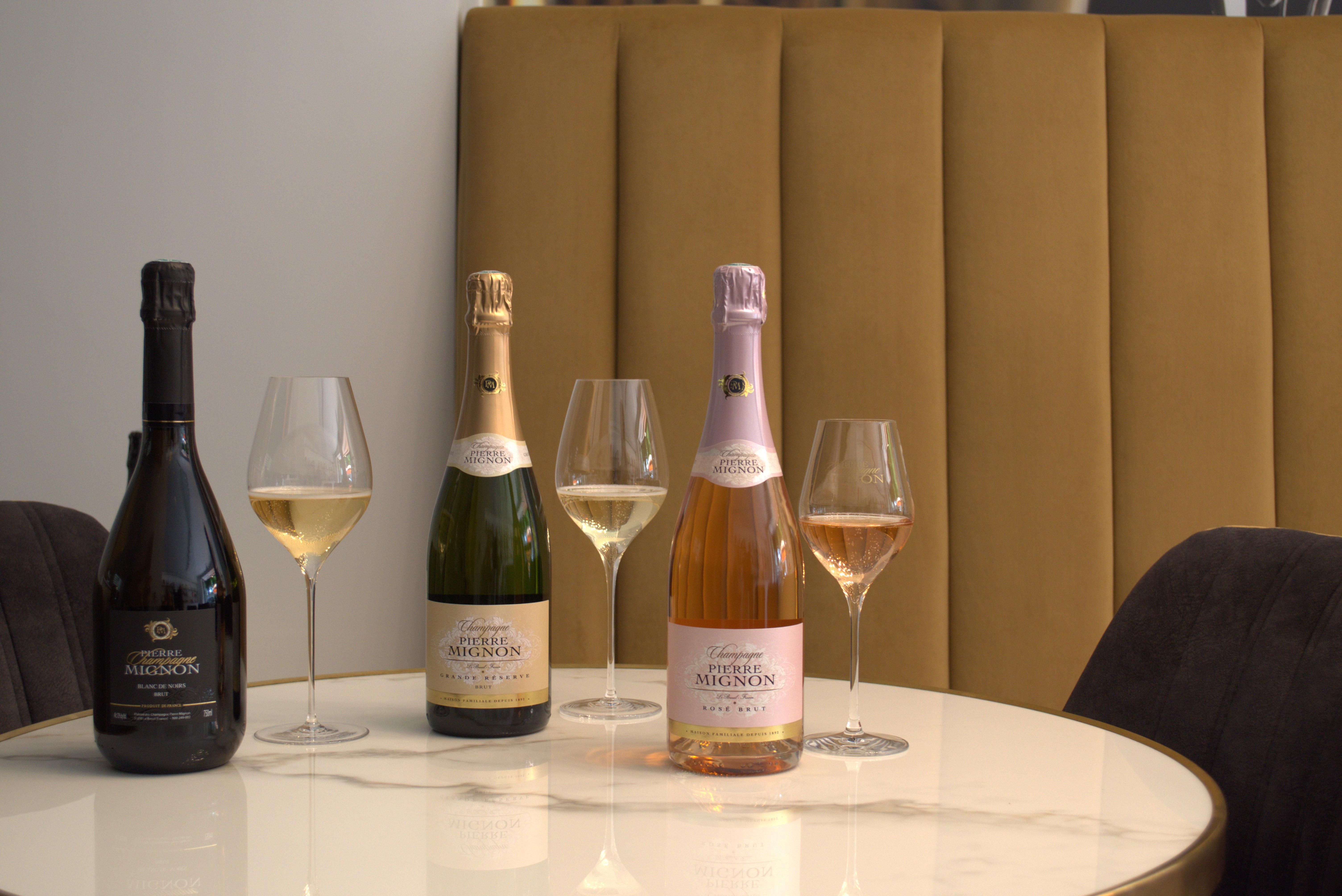
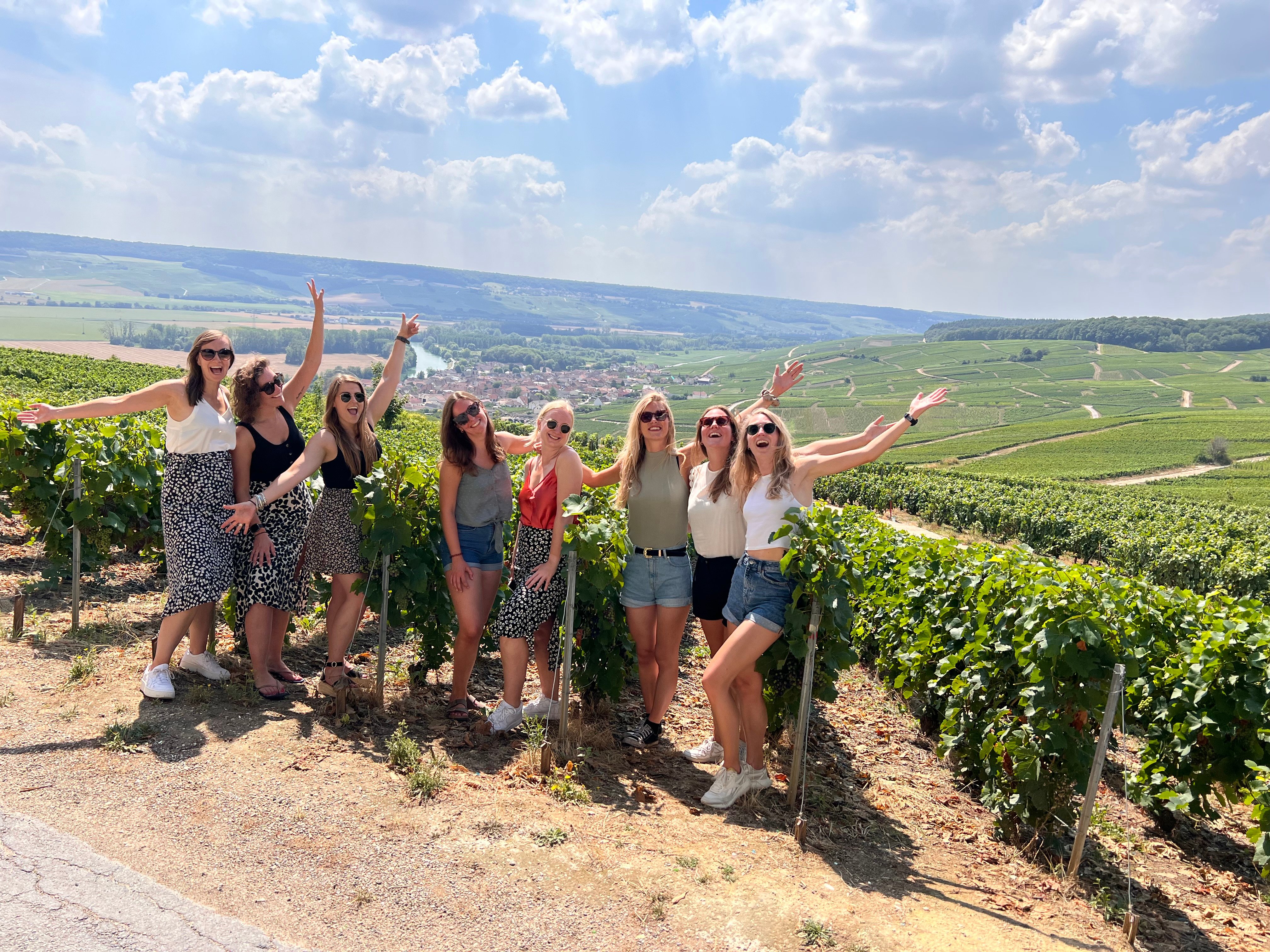
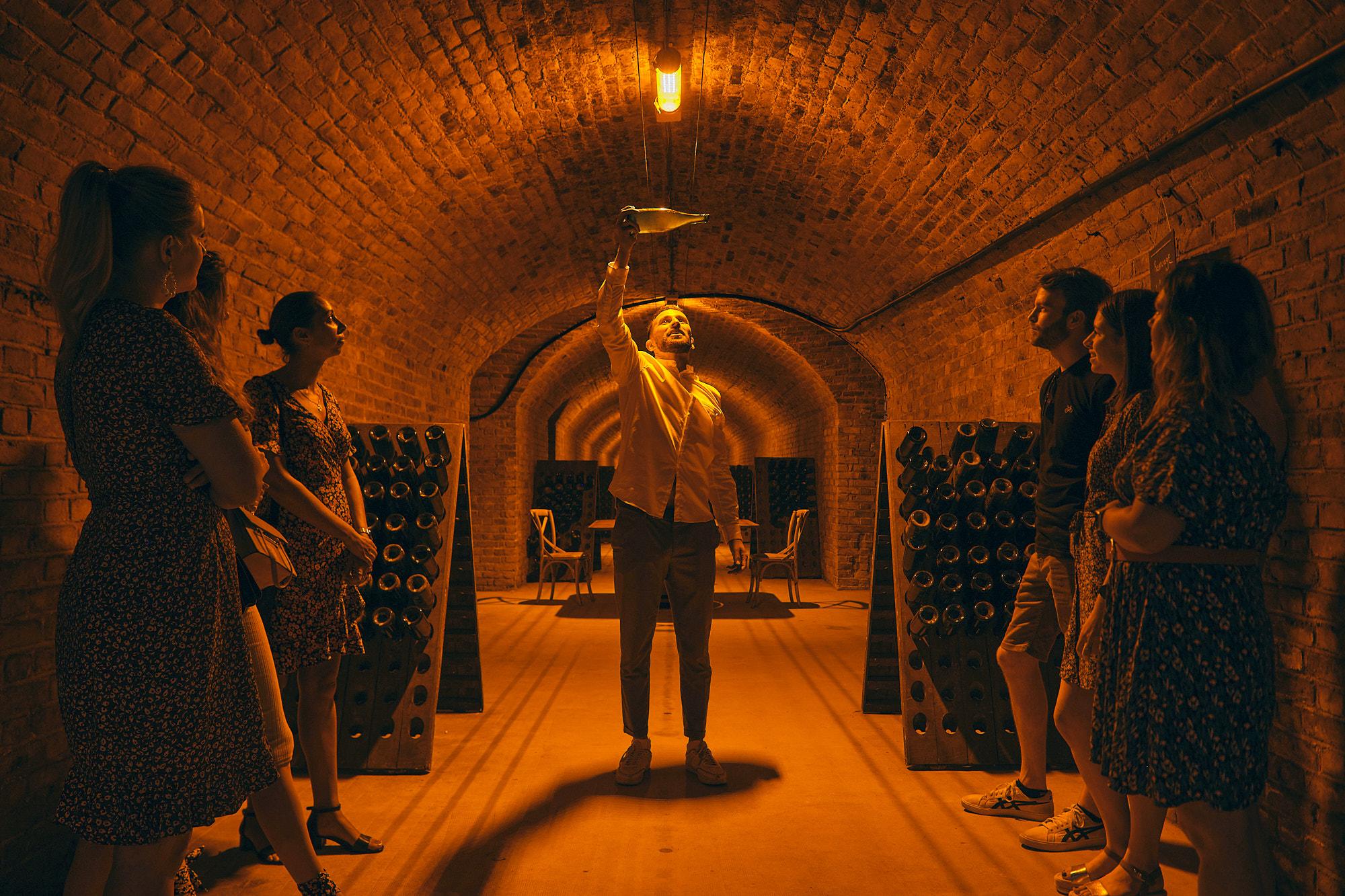
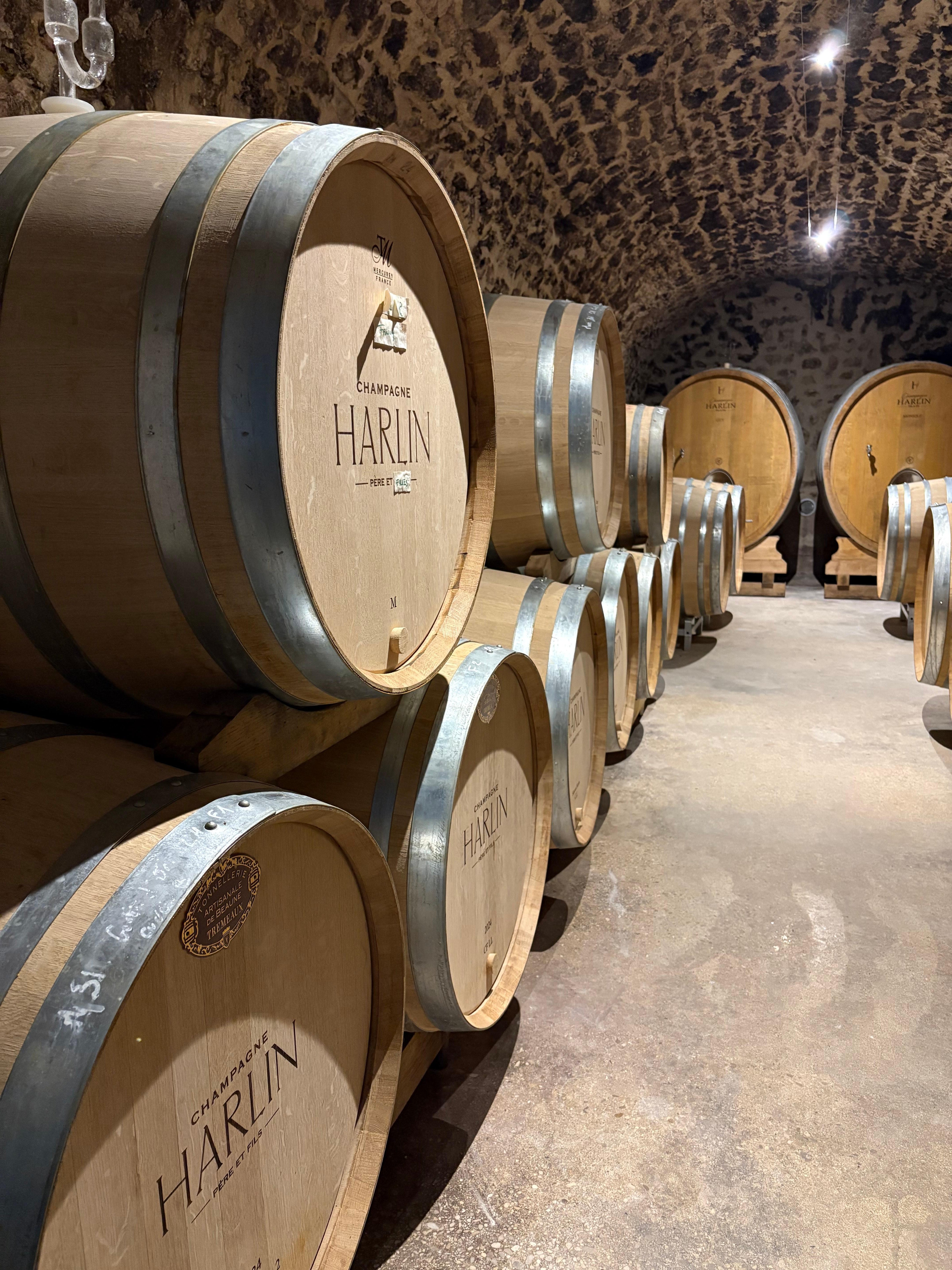

Tours that depart from Reims, about 30 minutes north, often pairing a grande-Maison cellar visit (Veuve Clicquot, Mumm, Pommery) with a family grower in the Montagne de Reims vineyards. Easy to combine with Epernay on a full day.


Not sure which maison or format to pick?
The fastest way to see the Avenue de Champagne is a guided cellar tour or a day trip that handles the logistics — pickup, the cellar visit and the tasting. Compare the formats, check live dates and book with free cancellation.
Compare Champagne ToursPlanning the rest of the trip? Weigh up Épernay vs Reims, work out which grande marque to visit, read what to expect on a Moët & Chandon cellar tour, or plan a Paris-to-Épernay day trip. Prefer the saddle? See our bike & vineyard routes.
Avenue de Champagne & Épernay Houses — FAQ
The questions visitors ask most about mapping the Avenue de Champagne and its maisons.
The Avenue de Champagne in Épernay lines up five of the great names within about a kilometre: Moët & Chandon (founded 1743, home of Dom Pérignon), Perrier-Jouët (1811), Pol Roger (1849, just off the avenue on Rue Winston Churchill), de Castellane (1895, with its climbable 66-metre tower) and Mercier (1858, famous for its giant cask and underground cellar train). They sit roughly west to east — see them all plotted on the map above, or read which one to pick in our grandes marques decision guide.
Yes — that is the whole appeal. The Avenue de Champagne is only about a kilometre long and flat, so you can stroll past Moët & Chandon, Perrier-Jouët, de Castellane and Mercier in well under twenty minutes, stopping for tours and tastings along the way. The cellars themselves run roughly 110 km underground, but at street level it is an easy walk. A guided Épernay day trip handles the timings and bookings between houses for you.
It is the grand street in Épernay where the major Champagne houses built their headquarters and dug their cellars into the chalk beneath. Around 110 km of galleries — holding many millions of ageing bottles — sit under barely a kilometre of road, which is why the avenue is part of the UNESCO-inscribed Champagne Hillsides, Houses and Cellars (2015). It is the single best place to understand how Champagne is made and stored; start with the five maisons below.
There is no single best — it depends on what you want. Moët & Chandon is the icon and the safe first visit; Mercier is the most fun for families thanks to its little underground train; de Castellane adds a tower view; and the smaller growers around Épernay and Aÿ give the most personal tastings. We break down the trade-offs in the which-maison guide, or you can compare bookable visits on the map.
Almost always, yes. The grandes Maisons run scheduled guided tours with limited places, and they sell out 1–2 weeks ahead from April through October, with weekend slots going first. You cannot reliably just turn up. Reserve a cellar tour or a guided day trip ahead of time — check live dates and book with free cancellation on most tours so your plans stay flexible.
Yes — at Mercier on the Avenue de Champagne. Its cellar visit is famous for a little electric train that carries you through the underground galleries, alongside the giant 'Grand Foudre' cask built for the 1889 Paris World's Fair. It is the most family-friendly of the avenue's tours. Look for Mercier's gold marker on the map, then browse the cellar tours that visit the big houses.
Both are excellent and only about 30 minutes apart. Épernay packs the houses into one walkable avenue and feels intimate; Reims is a bigger city with its Gothic cathedral plus heavyweight cellars like Veuve Clicquot, Pommery and Mumm. Many visitors do both in a day. We compare them in detail in Épernay vs Reims, and the Reims area on the map shows the tours that combine the two.
Not because of the houses on the surface, but because of what sits beneath them. The chalk cellars under the avenue hold tens of millions of bottles of maturing Champagne, an inventory worth several billion euros — so per metre of street, the value stored underground is extraordinary. That hidden city of bottles is exactly what a cellar tour takes you down to see.
Still have questions? Email us at info@epernaychampagne.tours